A reel that did 400,000 views last spring does 40,000 now. Same creator, same quality, same posting cadence. Nothing changed on your end. The platform changed the mix, and your reach moved with it. If most of your business runs through that feed, a quiet algorithm shift is not a content problem. It is a revenue problem you did not choose.
This is the case for learning to own your audience as a fitness creator, rather than renting access to it. Social platforms are powerful, and they are not going anywhere. But the ground you build on is borrowed, and the terms can change without notice. The creators who hold up best over time tend to be the ones who turn that borrowed attention into something they actually control.
The platform is rented land
Every social platform is rented land. You can build something impressive on it, and the landlord can still change the rent, the layout, or who gets to see your storefront. Reach that felt reliable in one quarter can thin out in the next, and you are rarely told why.
The harder version of the problem is that platforms themselves move. Audiences migrate, formats fall out of favor, and a platform that owned attention a few years ago can quietly lose it. According to the Pew Research Center, the share of U.S. teens who use Facebook fell from 71% in 2014 and 2015 to 33% by 2023. That is not a story about one app. It is a reminder that the place your audience lives today is not guaranteed to be the place they live in three years. If your business is built entirely on a platform, you inherit that platform's volatility whether you want to or not.
None of this means social is a mistake. It is the opposite. Social is where discovery happens, where people find you, and where attention is cheapest to earn. The question is not whether to use it. The question is what you keep after the attention shows up.
What it means to own your audience
Owning your audience is not a slogan about going independent. It is specific. It means you can reach the people who buy from you without asking a platform for permission, and it means the relationship and the product live somewhere you control.
In practice, that comes down to a few things. A direct line to your customers, like an email list, so you can reach them even if a feed disappears. Control over pricing and billing, so your margins are not set by someone else's rules. And a place where the actual training lives, structured the way you teach it, that belongs to your business rather than to a platform optimizing for its own goals.
Followers are not the same as customers. A large following on rented land is real value, but it is exposure, not ownership. The shift is moving the people who matter most, the ones who pay, from a channel you rent into a relationship you hold.
The app is the part of "owned" most creators skip
Most creators understand the email-list version of this. Fewer think about where the product itself lives.
When your training is delivered through scattered links, PDFs, or a generic platform, the experience is borrowed too. You are renting the delivery, not just the audience. The day-to-day relationship with your customer, the part that actually drives renewals, happens inside an environment you do not control and cannot fully see. We made the case for moving training into a real home in Give Your Training a Home, Not a Finish Line.
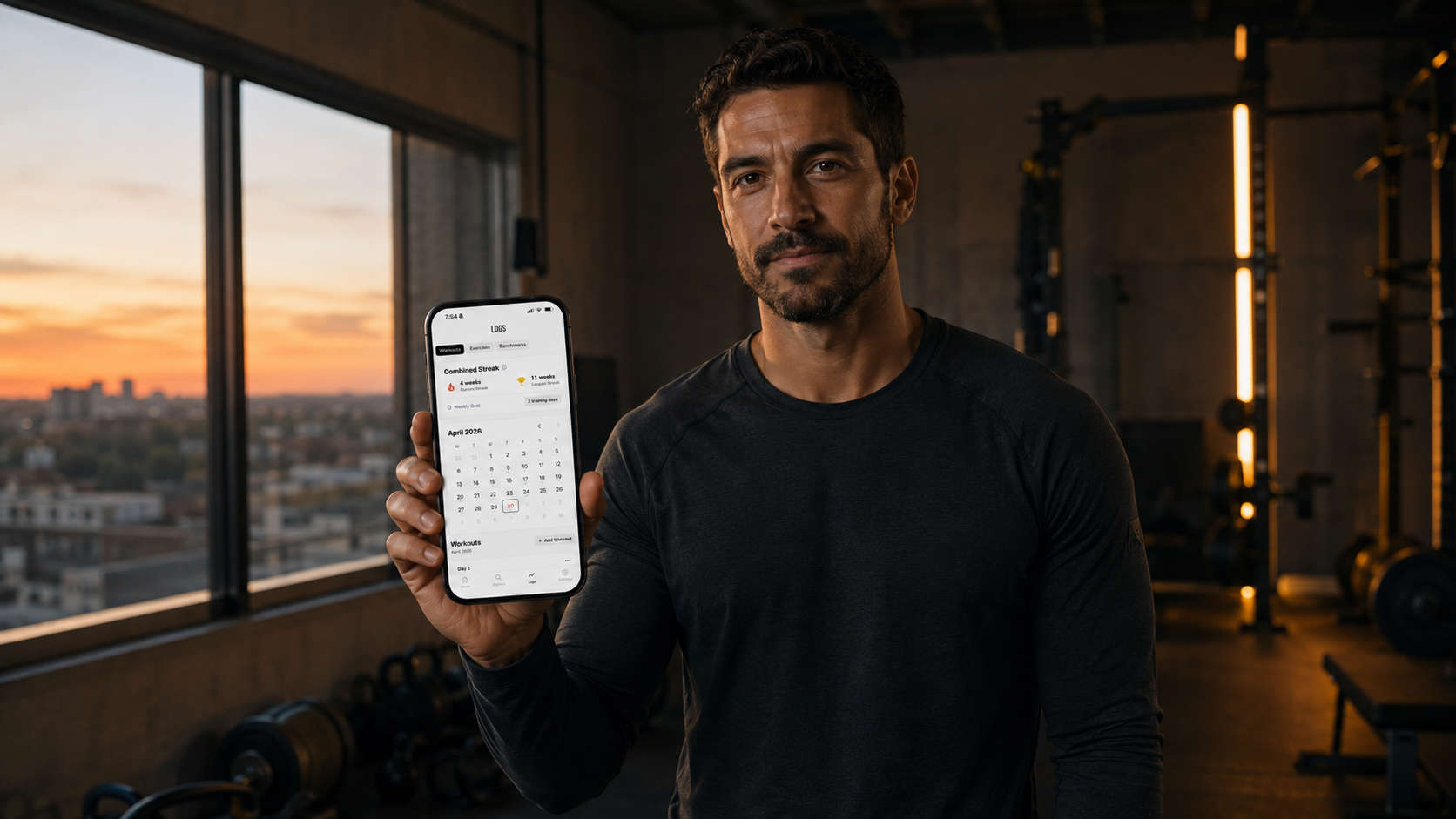
A branded app is the owned version of that. It is the place your training lives, under your name, on your customer's phone. You set the price and own the billing relationship. You can see what members actually do, which is the difference between guessing at retention and managing it. And it does not reset when a platform changes its rules, because it is not their platform. This is the same ownership logic behind moving off a shared marketplace, which we covered in Graduating From the Marketplace.
To be clear about what this is and is not: an app does not replace your social presence, and it is not a community feature bolted onto your feed. It is the structured home for your programs and the direct customer relationship around them. Social still does the discovery work. The app holds the training and the people who pay for it.
Owned and rented work together
The goal is not to abandon the platforms that grew your business. It is to stop letting them be the only thing your business stands on.
The healthy setup uses each layer for what it is good at. Social earns attention and sends new people your way. A storefront like Stan captures that demand and turns interest into a first purchase; we walked through where that stage ends in Outgrowing Stan Store. And an owned app holds the training and the long-term relationship, the part that compounds when a customer comes back for the second program and the third. Attention is rented. The relationship is owned. You want both, pointed in the same direction.
If a single algorithm change can meaningfully shrink your income, that is worth knowing now, while the feed is still working, rather than after it stops.
Trybe is built for the owned layer: a professional-grade, branded training app where your programs and your customer relationship live on ground you control, not ground you rent. If you are weighing where an app fits against the rest of the landscape, this comparison of creator platforms lays out the options, and White Label Fitness Apps on Trybe covers what owning the app outright looks like.